In today’s digital landscape, having just an “online presence” isn’t enough. If your website is passive, it’s merely a digital business card sitting in a dusty rolodex. To turn casual visitors into high-value clients, you need to shift your strategy to a Growth Driven Website Design. Here is why your current approach is costing you money and how to transform your site into a 24/7 sales engine.
Most business owners treat their website as a static asset. They pay for a domain, put up a logo, add a contact form, and then wonder why the phone isn’t ringing. A business card is a passive object. You leave it on a table and hope someone picks it up. If your website is just a card, it’s doing the same thing: it’s just sitting there. But in 2026, your website shouldn’t just be an “online presence”—it should be your hardest-working employee.
The Problem with Passive Online Presences
When your website is built solely as a brochure, it focuses entirely on your history, your team, and your internal processes. While this information is important, it doesn’t address the visitor’s primary question: “What can you do for me?”
This passive approach often leads to high bounce rates because the user journey isn’t clear. Visitors arrive, feel overwhelmed with irrelevant information, and leave without taking action. In contrast, a Growth Driven Website Design flips the script. It starts with understanding the customer’s problem and positions your business as the solution. This methodology prioritizes continuous improvement based on real user data, ensuring your site evolves alongside your market and your audience’s needs.
1. It’s a 24/7 Sales Machine, Not a Brochure
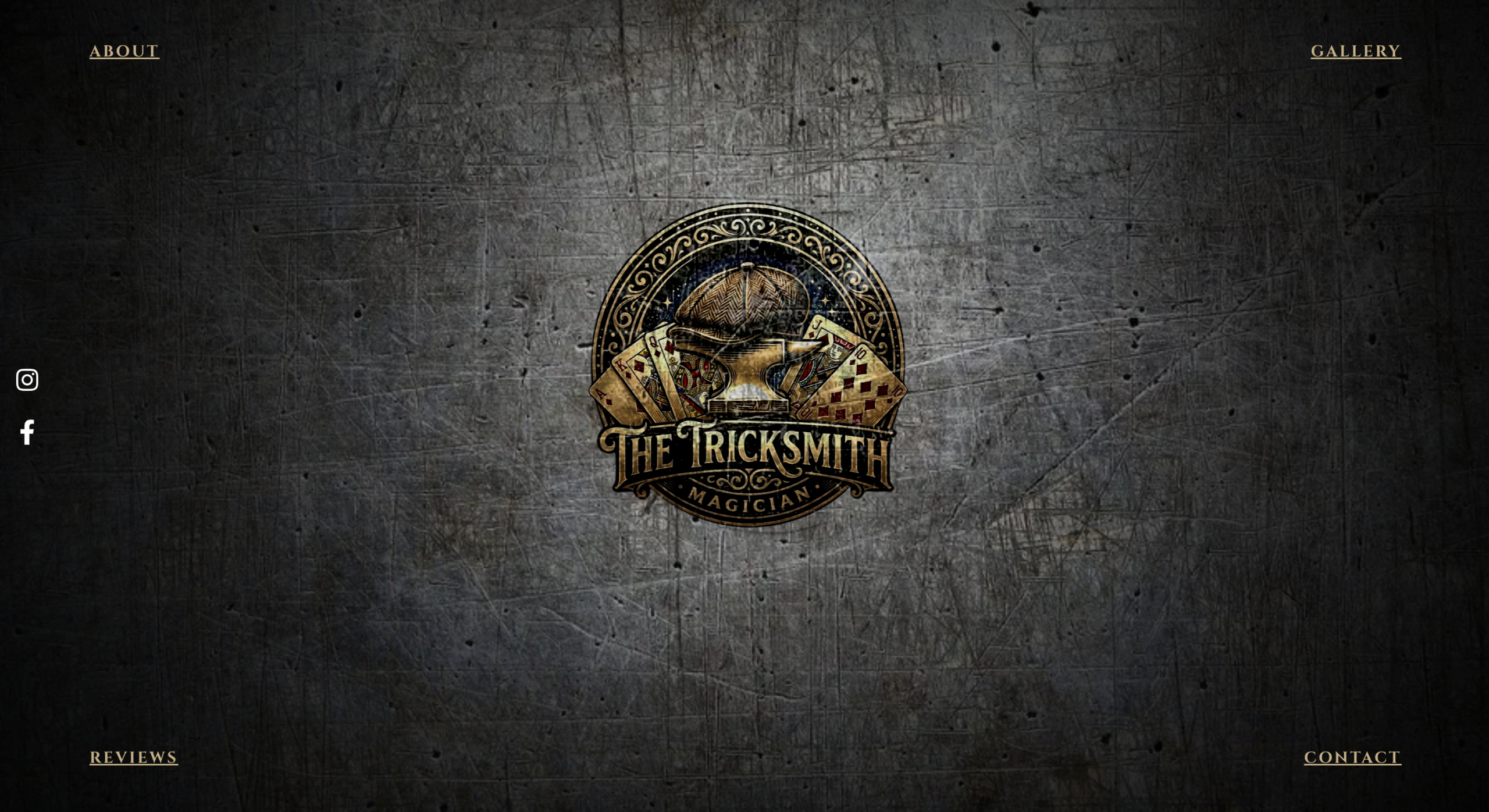
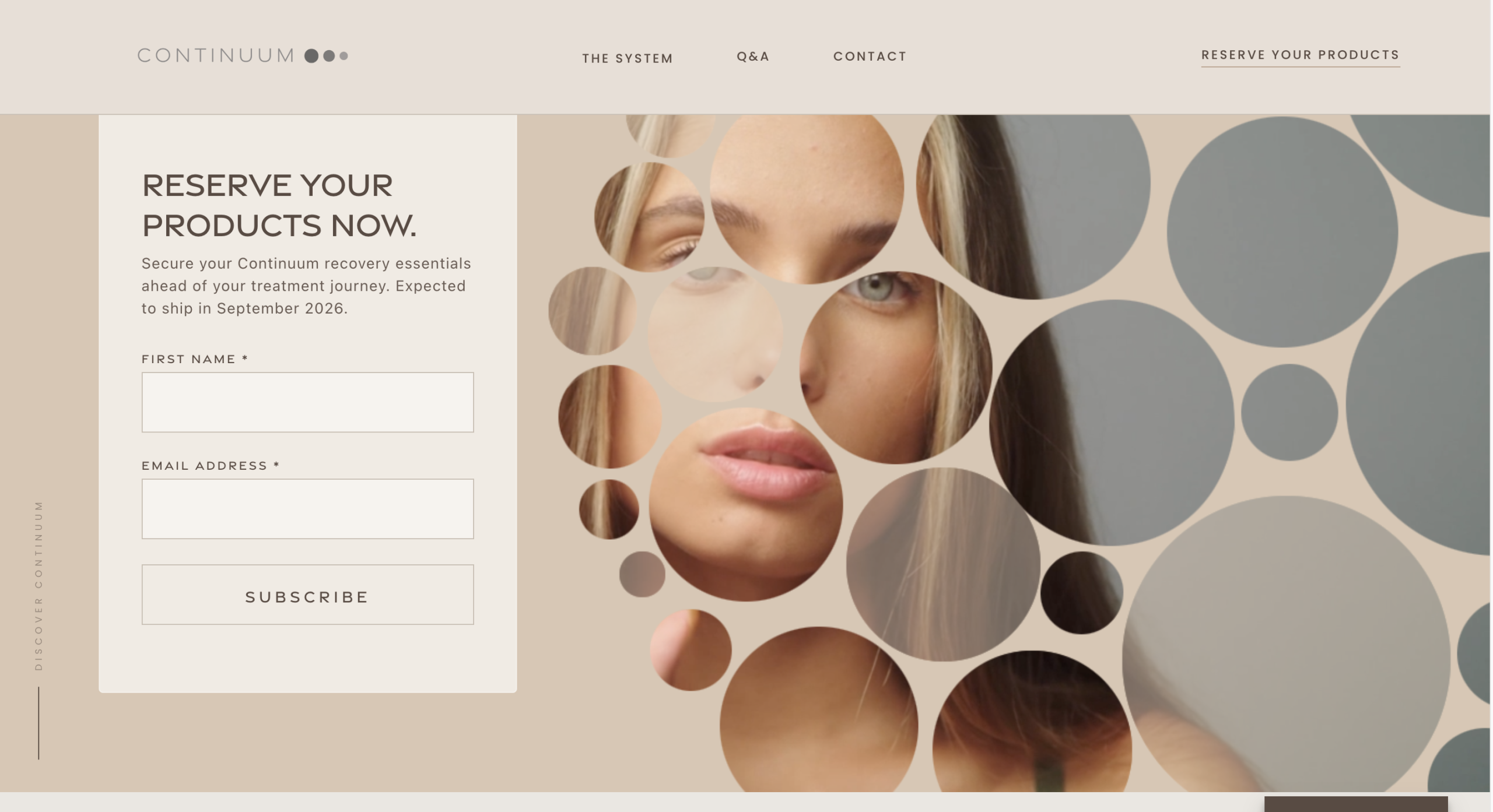
A digital business card tells people *who* you are. A high-performing website tells people *what you can do for them*. When you shift your focus, the site stops being about your history and starts being about the customer’s problem. Whether it’s a magician like The Tricksmith needing to capture event bookings or a specialist service like Continuum providing clarity on financial aftercare, the site should guide the visitor toward a solution before they even speak to you.
2. Building Trust Before You Shake Hands
In an era of AI-generated noise, authenticity is your greatest asset. A “business card” site tells me you exist. A great website shows me you are an authority. By showcasing your work, explaining your process, and removing the friction between “curiosity” and “conversion,” you build trust. People buy from businesses they feel they already know. Your site is the bridge that creates that familiarity.
3. Data is Your New Competitive Advantage
Your business card doesn’t tell you who looked at it, what they were interested in, or why they walked away. A strategic website does. When you treat your site as a tool, you can see exactly where visitors are dropping off. Are they looking at your services but skipping the contact page? That’s a signal you can act on. It’s the difference between flying blind and having a dashboard for your business growth.
4. The “Call to Action” is the Point
A business card lists your phone number. A strategic website *earns the click*. Every page on your site should have a singular, driving purpose. Whether it’s signing up for a newsletter, booking a consultation, or grabbing a spot in a queue—your website should make the “next step” impossible to ignore.
Transform Your Site into a Growth Engine
If you’re still using your website as a digital business card, you’re leaving money on the table. A website should be the engine that brings in leads, validates your expertise, and creates revenue while you’re busy doing the actual work.
Does your website work for you, or is it just taking up space? See how we build a Growth Driven Website Design here.